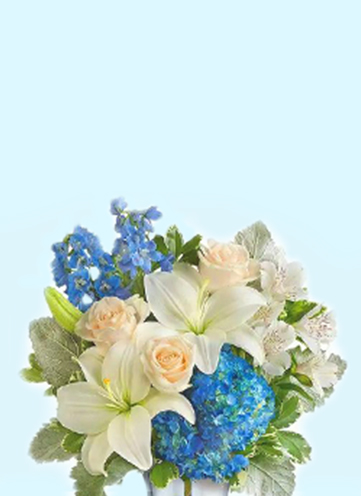
Hydrangea Care: Cultivate Big Beautiful Blooms
Posted on 10/06/2025
Hydrangea Care: Cultivate Big Beautiful Blooms
Hydrangeas are beloved ornamental shrubs known for their impressive, lush blossoms and vibrant colors. Whether adorning cottage gardens or modern landscapes, mastering hydrangea care is essential to cultivate big, beautiful blooms year after year. In this comprehensive guide, you'll learn everything you need to know about growing healthy, show-stopping hydrangeas, including soil preferences, watering routines, pruning techniques, troubleshooting tips, and more.
Understanding Hydrangeas: Types and Features
Before diving into detailed hydrangea cultivation tips, it's crucial to understand the different hydrangea varieties. Each type boasts unique characteristics and care requirements.
Main Types of Hydrangeas
- Bigleaf Hydrangea (Hydrangea macrophylla): Famous for its large, rounded flower heads and color-changing capabilities linked to soil pH.
- PeeGee Hydrangea (Hydrangea paniculata): Tall, hardy shrubs producing conical white-to-pink flower clusters.
- Oakleaf Hydrangea (Hydrangea quercifolia): Notable for oak-shaped foliage and white, cone-shaped blooms; thrives in shaded settings.
- Smooth Hydrangea (Hydrangea arborescens): Native to North America, these hydrangeas produce large, dome-shaped white blooms. 'Annabelle' is a popular variety.
- Climbing Hydrangea (Hydrangea anomala petiolaris): A dramatic vine, sporting lacy white flowers and thriving on walls or trellises.
Tip: Accurate identification of your hydrangea species helps you apply the best care strategies for abundant, brilliant blooms.
Planting Hydrangeas for Lush Growth
Site Selection and Soil Preparation
To unleash your hydrangeas' flowering potential, location is paramount. Hydrangeas generally thrive in spots with:
- Morning sun and afternoon shade (especially in warmer regions)
- Good air circulation to prevent disease
- Shelter from harsh winds which can damage fragile blooms
Soil should be rich, moist, and well-draining. Hydrangeas especially love soil loaded with organic matter. For best results:
- Amend heavy clay with compost or leaf mold
- Ensure a slightly acidic to neutral pH (around 5.5 to 7.0)
- Test soil pH to tweak your hydrangea's bloom color (macrophylla types)
How to Plant Hydrangeas
- Dig a hole as deep as the root ball and two to three times wider.
- Loosen the roots gently before placing the plant in the hole.
- Backfill with enriched soil, making sure the crown is level with the ground surface.
- Water thoroughly to eliminate air pockets and settle the roots.
- Mulch generously with bark, leaves, or compost to conserve moisture and suppress weeds.
Caring for Hydrangeas: Secrets to Big Beautiful Blooms
Watering Hydrangeas Correctly
Hydrangeas require consistent moisture, especially during hot, dry spells. Use these guidelines:
- Water deeply 1-2 times per week rather than shallow, frequent watering.
- Focus on the root zone to prevent foliar disease.
- Container hydrangeas may require daily watering in summer.
- Mulch helps retain soil moisture in garden beds.
Overwatering or waterlogged soil can suffocate roots and lead to root rot. Well-draining soil is essential!
Fertilizing for Vibrant Hydrangea Blooms
Feed your hydrangeas to fuel their growth and bloom production:
- Apply a balanced slow-release fertilizer (10-10-10 or 12-4-8) in early spring.
- For bigleaf hydrangeas, avoid high-nitrogen formulations that boost leaves at the expense of blooms.
- Repeat fertilizer applications as needed, following product instructions, but avoid overfeeding.
- Organic amendments (compost, well-rotted manure) also support healthy soil and plant vigor.
Advanced Tip: For blue or purple bigleaf hydrangeas, use fertilizers low in phosphorus and high in potassium. To encourage pink blooms, ensure adequate phosphorus levels.
Pruning Hydrangeas: Timing Is Everything
Proper pruning is essential for prolific, showy hydrangea blooms. However, timing and techniques differ among varieties. Incorrect pruning can lead to a season of missing flowers!
When and How to Prune
-
Bigleaf and Oakleaf Hydrangeas:
- Bloom on old wood (growth from the previous year).
- Prune immediately after flowering in late spring or early summer.
- Remove only spent blossoms and up to one-third of the oldest stems to encourage fresh growth.
-
PeeGee and Smooth Hydrangeas:
- Flower on new wood (current season's growth).
- Prune in late winter or very early spring before new growth emerges.
- Cut back stems to about 1-2 feet from the ground for dense, robust blooms.
Extra Pruning Advice: Always use sterilized pruning shears to prevent disease spread and trim dead, weak, or crossing branches for a healthy structure.
Hydrangea Bloom Color: Change with Soil pH
One of the most fascinating facts about Hydrangea macrophylla is the ability to change flower color based on soil pH:
- Acidic soil (pH below 6.0): Produces blue to violet blooms
- Neutral to alkaline soil (pH above 6.0): Produces pink to red blooms
How To Adjust Hydrangea Flower Color
-
To Turn Hydrangeas Blue:
- Add aluminum sulfate or garden sulfur to acidify the soil.
- Avoid high-phosphorus fertilizers, as phosphorus hinders aluminum absorption.
- Test soil pH every few months and adjust as needed.
-
To Turn Hydrangeas Pink:
- Add lime to increase soil alkalinity.
- Apply a fertilizer with higher phosphorus content.
- Be patient--color changes may take an entire season to fully develop!
Note: White hydrangea varieties typically do not change color based on soil pH.
Common Hydrangea Problems and Solutions
Diagnosing Hydrangea Diseases and Pests
Though generally resilient, hydrangeas may face a few common pest and disease challenges:
- Powdery mildew and leaf spot: Ensure good air flow, avoid wetting leaves, and remove affected foliage promptly.
- Aphids, spider mites, or scale: Blast with water or treat with insecticidal soap.
- Slugs and snails: Use organic slug pellets or copper tape.
If you spot yellowing leaves, wilting, or stunted growth, check for root rot due to poor drainage or overwatering. Adjust your watering and soil care routine immediately.
Why Aren't My Hydrangeas Blooming?
Frustrated by lackluster or missing flowers? The most common causes include:
- Improper Pruning: Cutting at the wrong time removes next season's buds.
- Winter Damage: Harsh winters can kill flower buds on old wood types.
- Excessive Nitrogen: Promotes leaves at the expense of blooms.
- Insufficient Sun: Most hydrangeas require at least 4 hours of morning sun.
- Immaturity: Newly planted hydrangeas may take a couple years to establish and bloom heavily.
Hydrangea Care Throughout the Seasons
Spring
- Uncover overwintered plants and remove mulch mounds.
- Apply fertilizer as new growth appears.
- Prune smooth and panicle types before green shoots emerge.
Summer
- Water deeply during dry periods, especially as flowers develop.
- Deadhead faded blooms to encourage new flowers on some varieties.
- Watch for pests and diseases, taking prompt action if noticed.
Fall
- Allow final blooms to remain on the plant if you enjoy their dried beauty.
- Cease fertilization to allow the plant to harden off for winter.
- For cold climates, apply a thick mulch layer to insulate roots.
Winter
- Protect tender varieties by covering with burlap or straw in severe zones.
- Do not prune in winter, except to remove broken or diseased wood.
- Monitor for voles or rodent damage beneath mulch.
Bonus Tips for Spectacular Hydrangea Blooms
- Choose the right variety for your climate (check hardiness zone guides).
- Monitor soil moisture regularly, especially for container-grown hydrangeas.
- Rotate mulch types to maximize soil nutrition and suppress leaf spot diseases.
- Space plants widely (at least 3-6 feet apart) to ensure excellent airflow and minimize disease risk.
- Incorporate companion plants like ferns, hostas, and astilbes to create a lush, layered garden display.
- Harvest blooms for floral arrangements in the morning when the petals are turgid and hydrated.
- Recycle fall leaves as mulch around hydrangea bases for added organic matter each winter.
Frequently Asked Questions About Hydrangea Care
Are Hydrangeas Easy to Grow for Beginners?
Absolutely! With their forgiving nature and low-maintenance growth habits, hydrangeas are perfect for beginner gardeners and experienced landscapers alike.
How Long Do Hydrangeas Live?
A healthy, well-cared-for hydrangea can thrive for decades, continuously delivering voluminous, colorful blooms each growing season.
What's the Best Way to Propagate Hydrangeas?
Hydrangeas are easily propagated via cuttings, layering, or by dividing mature shrubs.
- Cuttings: Take 4-6 inch green cuttings in early summer and root in moist, fresh potting soil.
- Layering: Bend a low-growing branch to the ground, cover with soil, and wait for roots to form before severing from the parent plant.
Do Hydrangeas Need to be Deadheaded?
While deadheading spent blooms can tidy your shrubs and encourage new flowers on some types (especially reblooming varieties), it's not strictly necessary for all hydrangea species.
Can Hydrangeas Be Grown in Pots?
Yes! Many hydrangeas thrive in large containers if provided with rich, well-draining soil and consistent moisture. Ideal for patios, balconies, and small-space gardens.
Conclusion: The Art and Joy of Hydrangea Cultivation
Few plants rival the jaw-dropping beauty and garden versatility of hydrangeas in full bloom. Now that you've learned the essentials of hydrangea care and culture--from site selection and soil management to pruning and seasonal maintenance--you're ready to enjoy years of outstanding floral displays. With a little attention and the right techniques, big, beautiful hydrangea blooms are yours to cultivate and share.
Remember: Each garden is unique, so observe your hydrangeas closely, adjust your care routine as needed, and don't be afraid to experiment! Happy gardening!